(951) 426-6308

(951) 426-6308
Never a Charge for Our Services
Cell/Text (951) 426-6308
Office (626) 548-2000
Toll Free (855) 426-1200
Never a Charge for Our Services
Cell/Text (951) 426-6308
Office (626) 548-2000
Toll Free (855) 426-1200

1(855) 426-1200
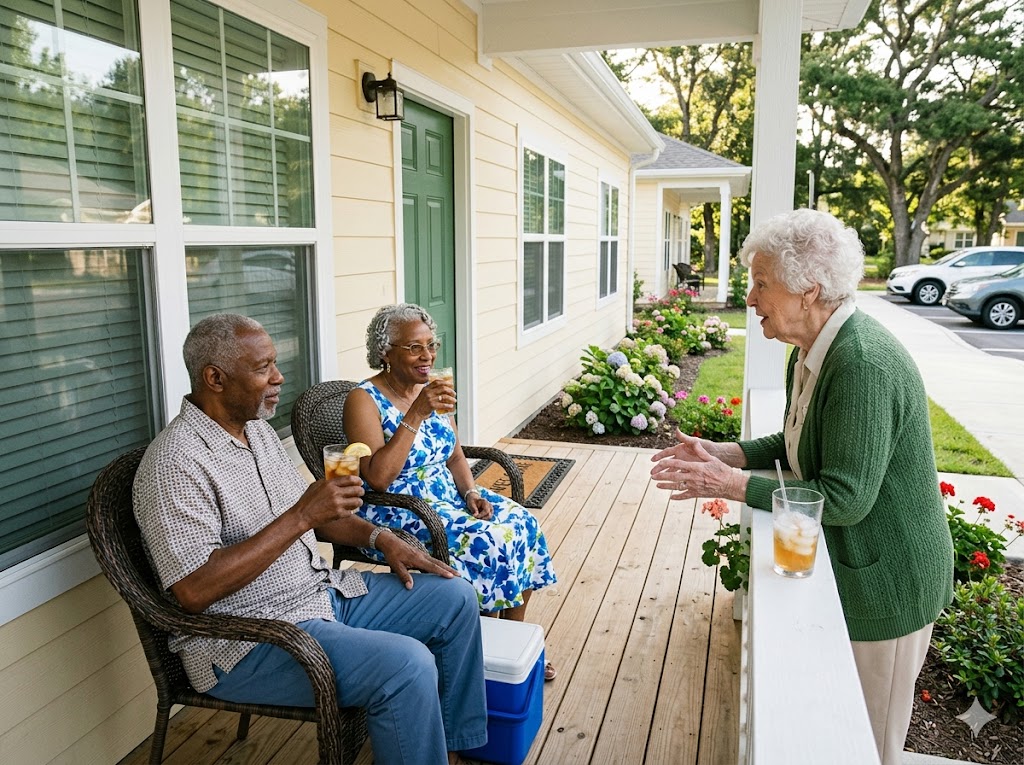
Designed for active seniors who do not require daily assistance with personal care.
Focus: Maintenance-free living, social engagement, and convenience.Services: Often includes housekeeping, laundry, transportation, dining options, and recreational activities.
Best for: Individuals who want to downsize and enjoy a community lifestyle but remain fully self-sufficient.
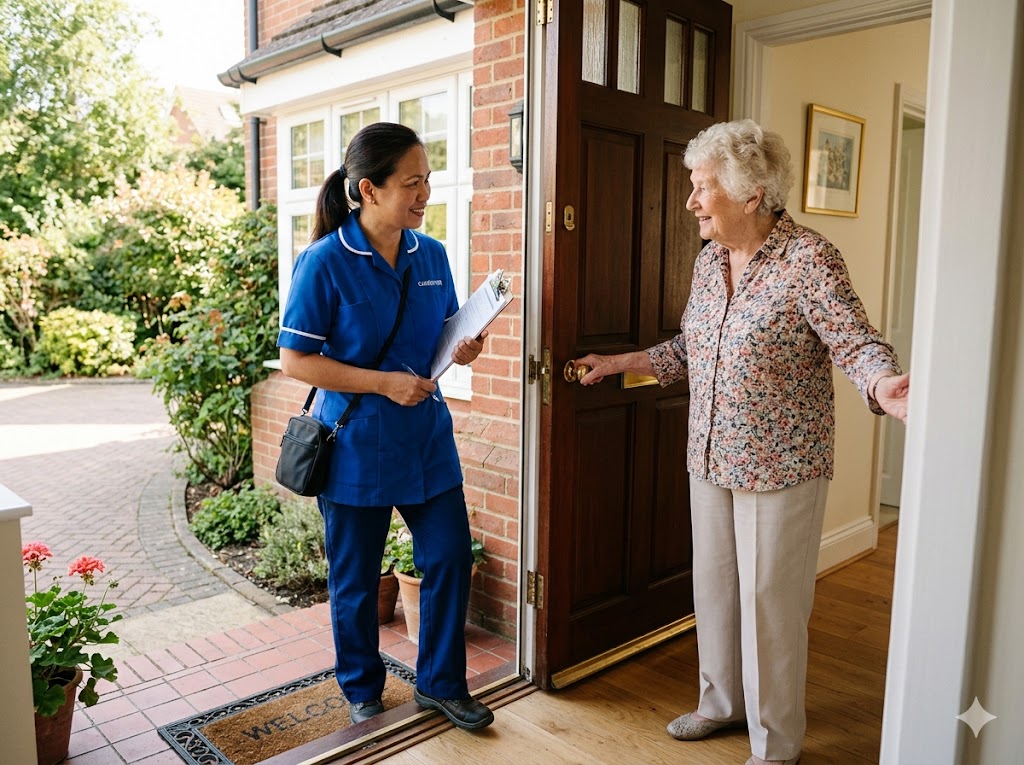
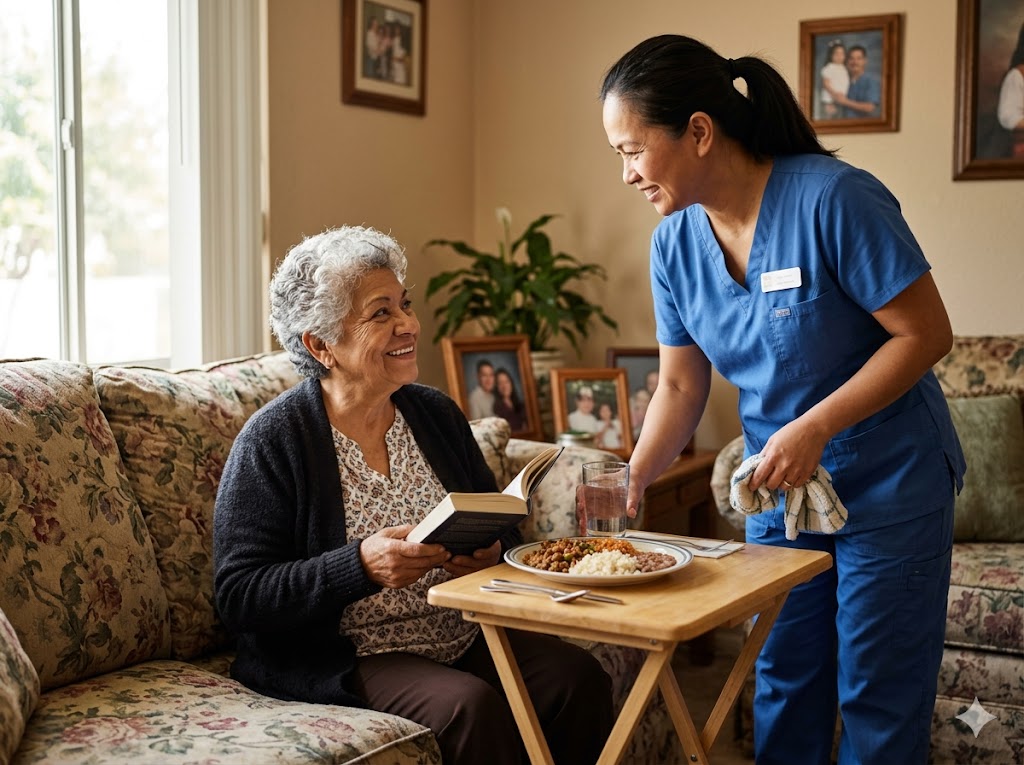
Many seniors do not want to move out of their homes. That's where they are comfortable. They know where everything is. That's where their memories are.
Many seniors have a professional caregiver come to their house a few times a week for a few hours to help them with the things they are not able to do any more.
Home is the place to be if you can do it safely. Many years ago, one of the ladies in my church, a Titanic survivor, was living alone without the need for a caregiver in her 90's.
COST DIFFERENTIAL: In many areas, 100 hours a month (3 hours a day) is about the same as the cost of moving into an assisted living community. And the community supplies your food and utilities.
Skilled Nursing (Nursing Homes)The highest level of care provided outside of a hospital setting.
Focus: Comprehensive medical care, rehabilitation, and round-the-clock nursing supervision.
Services: Licensed medical professionals (RNs, LPNs) provide services such as wound care, IV therapy, physical/occupational/speech therapy, and management of complex chronic conditions.
Best for: Individuals with significant health issues, those recovering from major surgery or injury, or those requiring 24/7 medical oversight.
How Care Levels are Assessed: Within assisted living communities, residents are often assigned a "level" (e.g., Level 1–5) to determine the specific amount of care they need.
This is usually based on:
The amount of physical assistance needed to move safely.Continuum of Care Retirement Communities (CCRCs)
Many families choose CCRCs because they offer all the levels mentioned above on one campus. This allows a resident to transition from independent living to assisted living or skilled nursing as their health needs change, without having to move to a different facility.
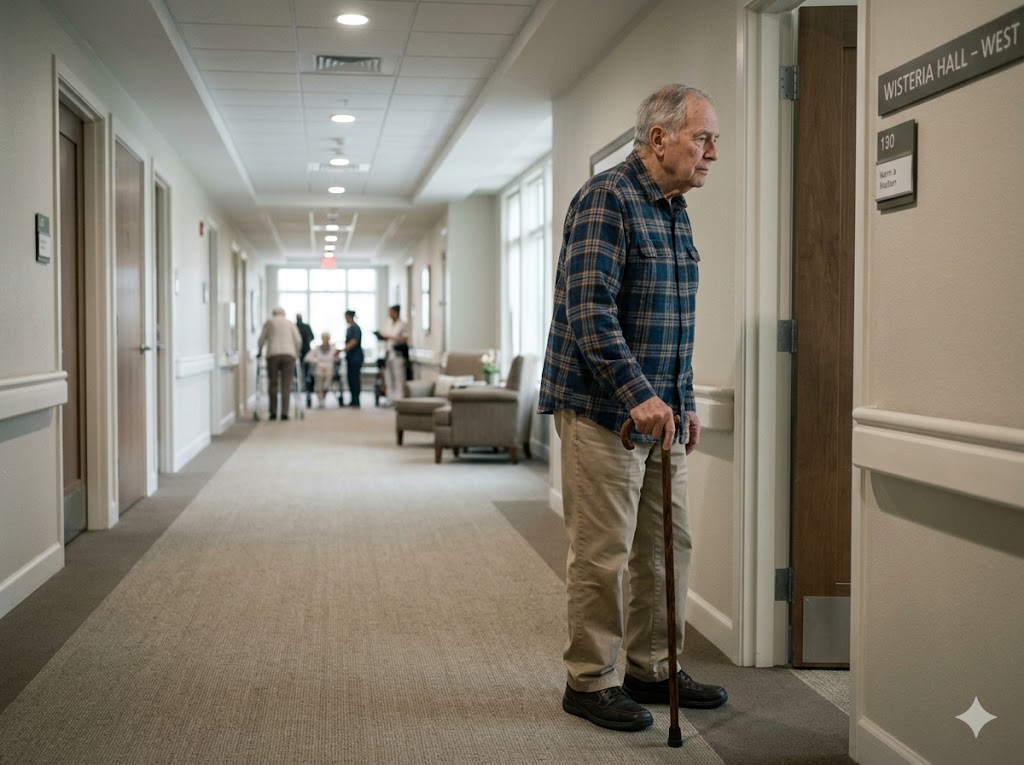
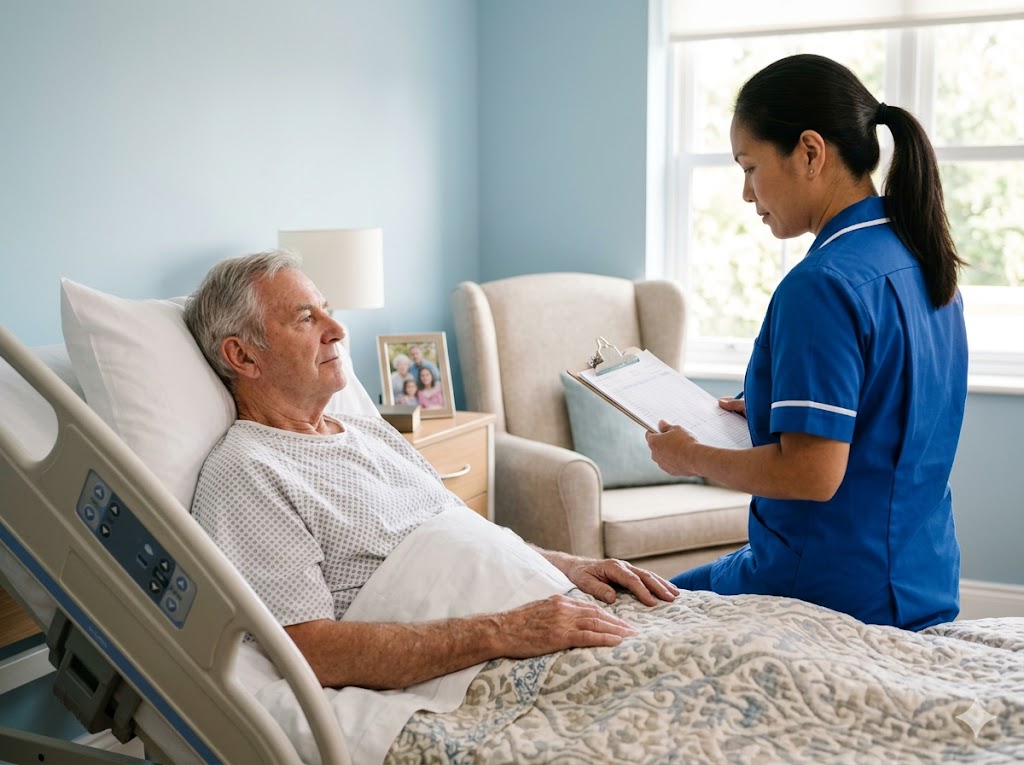
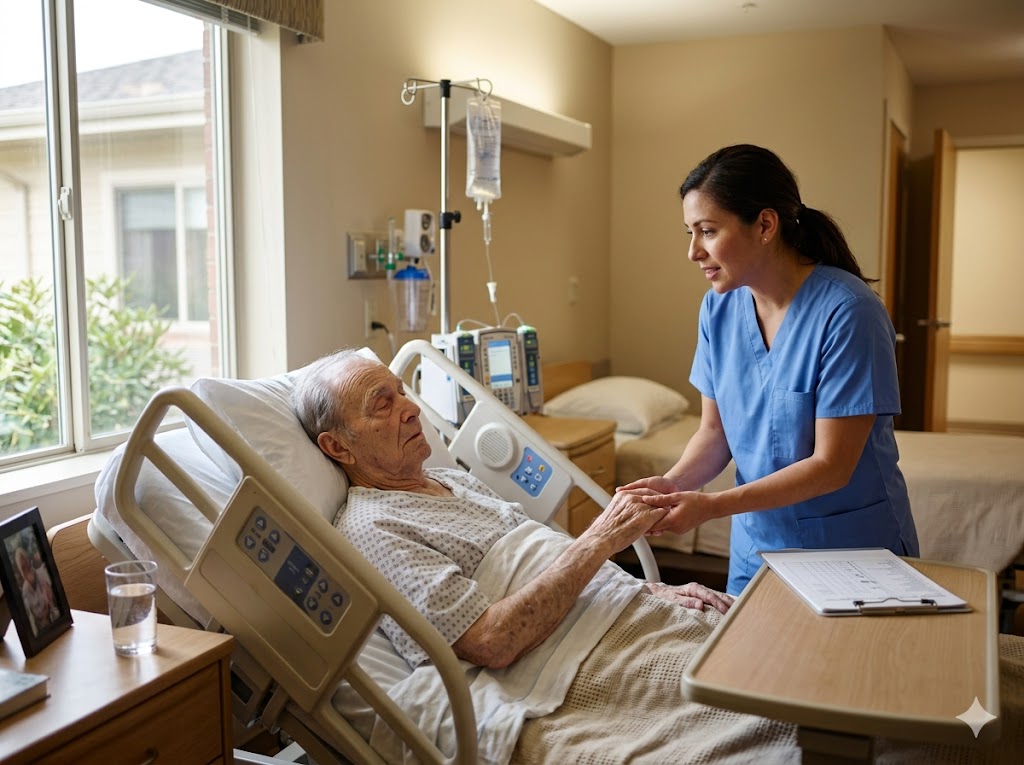


1. Independent Living
2. Aging in Place Assisted Living
3. Assisted Living Community
Designed for active seniors who do not require daily assistance with personal care.
Focus: Maintenance-free living, social engagement, and convenience.Services: Often includes housekeeping, laundry, transportation, dining options, and recreational activities.
Best for: Individuals who want to downsize and enjoy a community lifestyle but remain fully self-sufficient.
Many seniors do not want to move out of their homes. That's where they are comfortable. They know where everything is. That's where their memories are.
Many seniors have a professional caregiver come to their house a few times a week for a few hours to help them with the things they are not able to do any more.
Home is the place to be if you can do it safely. Many years ago, one of the ladies in my church, a Titanic survivor, was living alone without the need for a caregiver in her 90's.
COST DIFFERENTIAL: In many areas, 100 hours a month (3 hours a day) is about the same as the cost of moving into an assisted living community. And the community supplies your food and utilities.
1. Independent Living
2. Aging in Place Assisted Living
3. Assisted Living Community
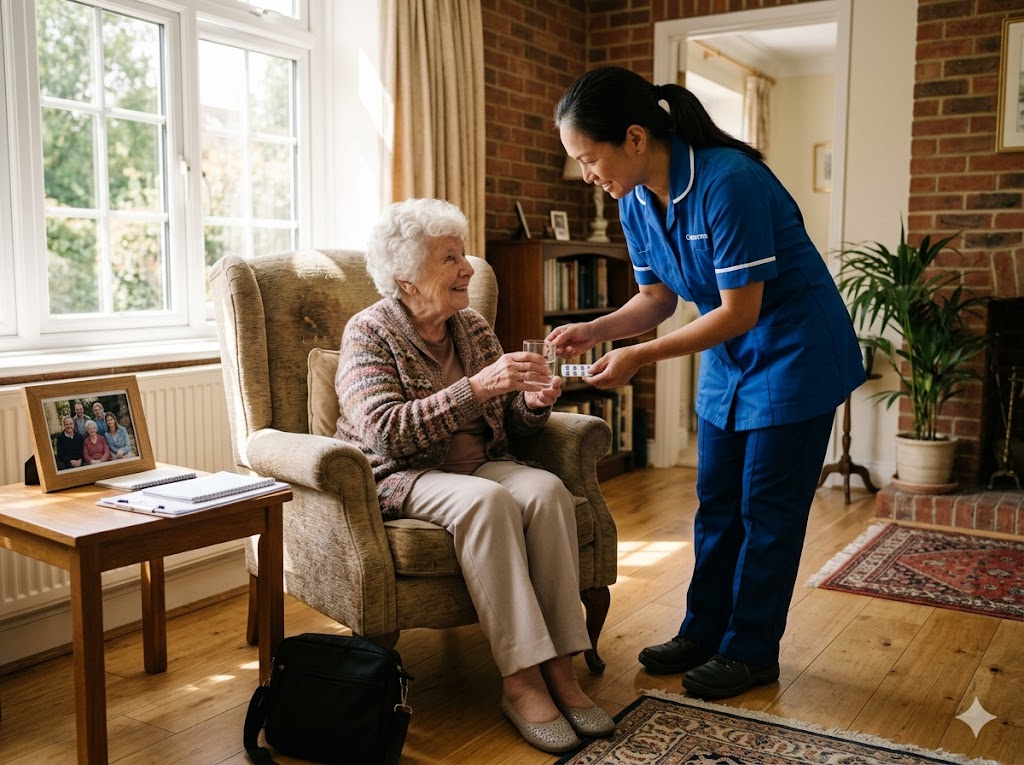
When the time comes for more care that we can safely and affordably get at home, an assisted community may be the answer. This is especially helpful for people who have difficulty with their Activities of Daily Living (ADLs).
For those who wish to remain independent but need support with "Activities of Daily Living" (ADLs)—the essential tasks of everyday life.
Focus: Balancing independence with personalized support.Services: Help with bathing, dressing, grooming, toileting, mobility (transferring), and medication management. Staff is often available 24/7.
Best for: Individuals who find daily tasks overwhelming or unsafe to manage alone.
There are two main types of assisted living communities:
1. Residential Care for the Elderly (RCFE)
This is care given in a home that has been outfitted for giving care to the elderly. In California an RCFE can have up to 6 residents with 2 professional caregivers (not nurses). Meals and cleaning are provided, as well as assistance with the ADLs. The caregivers also manage medications for the residents, because sometimes we forget as we grow older.
2. Large Communities ("Big Box" Communities)
This is often in a large building with rooms along a hallway. There is normally one caregiver for every 10-12 residents. Both types of communities offer the same level of care, so choosing one over another is a matter of personal preference.
4. Memory Care Assisted Living
A specialized, secure environment tailored for individuals with Alzheimer’s, dementia, or other forms of cognitive impairment.
Focus: Safety, structured routines, and specialized cognitive engagement.
Services: Staff are specifically trained in dementia care techniques. Communities are designed to minimize confusion and wandering while providing meaningful, therapeutic activities.
Best for: Individuals experiencing cognitive decline who require a higher level of supervision and structured care.
5. Skilled Nursing Facility (SNF)
How Care Levels Are Assessed
Continuum of Care Retirement Communities CCRCs)
Levels of Care